
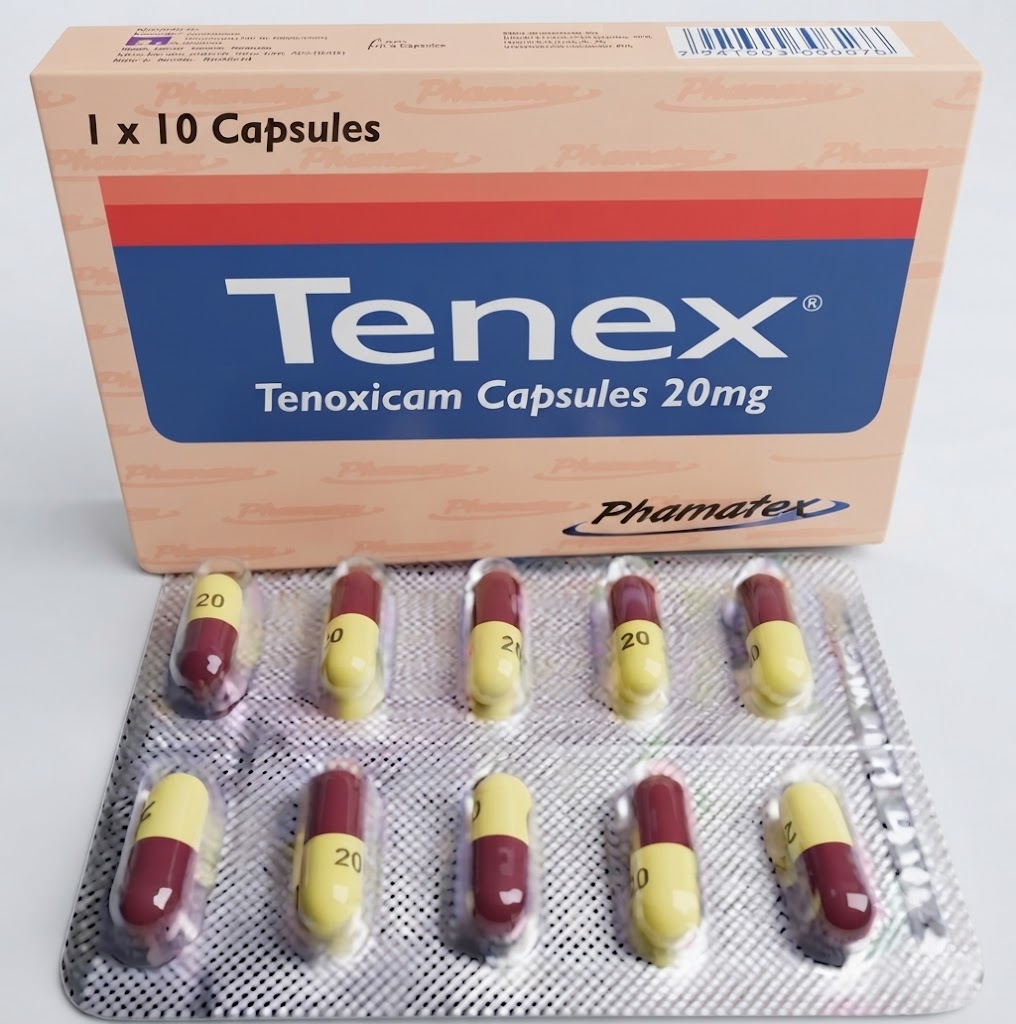
Tenex: Uses, Dosage, Side Effects, and Safety Guide
Tenex is the original brand name for guanfacine hydrochloride, an immediate-release medication FDA-approved to manage high blood pressure. Although some prescribers use it off-label for ADHD or tic disorders, drawing on the same guanfacine-based evidence that supports its extended-release cousin, Intuniv, Tenex’s actual FDA approval covers hypertension specifically. Because the brand itself has been discontinued in the U.S., most patients today receive generic guanfacine hydrochloride tablets instead.
The information below is based on FDA prescribing information for guanfacine hydrochloride immediate-release tablets. It’s meant for general education, so it doesn’t replace advice from a licensed prescriber or pharmacist.
Product Overview
What Is Tenex?
Tenex delivered guanfacine hydrochloride in an immediate-release tablet, first approved by the FDA in 1986 for managing hypertension. Because it stimulates specific receptors that calm the body’s stress response, it lowers both blood pressure and heart rate. The brand name has since been discontinued, but the same active ingredient remains widely available as a generic.
Active Ingredient
The active ingredient is guanfacine hydrochloride, an orally active central alpha-2 adrenergic receptor agonist.
Brand Name and Generic Name
The historical brand name was Tenex. Today, the medication is available generically as guanfacine hydrochloride tablets, manufactured by multiple companies.
Drug Classification
Guanfacine belongs to a class called centrally acting alpha-2 adrenergic agonists — the same broad drug class as clonidine, though the two aren’t identical in how long their effects last. Because it isn’t a controlled substance, it carries no DEA schedule.
FDA-Approved Uses
Guanfacine hydrochloride immediate-release tablets are approved for one indication:
- Management of hypertension, either alone or combined with other antihypertensive medications, particularly thiazide-type diuretics.
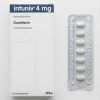
Notably, this immediate-release formulation isn’t FDA-approved for ADHD — that indication belongs specifically to the extended-release formulation, Intuniv.
Evidence-Supported Off-Label Uses
Despite lacking a formal ADHD indication, immediate-release guanfacine has a real evidence base and clinical guideline support for treating ADHD and tic disorders, including Tourette’s syndrome, particularly in patients who also have high blood pressure or who can’t access the extended-release option. Because this represents off-label use, it should only happen under a prescriber’s individualized judgment, and typically follows different, weight-based dosing than the hypertension indication described below.
How It Works
Guanfacine selectively stimulates alpha-2 adrenergic receptors in the brain’s vasomotor center, which reduces the sympathetic nerve signals that travel to the heart and blood vessels. This, in turn, decreases peripheral vascular resistance and slows the heart rate — the core mechanism behind its blood pressure–lowering effect.
Product Information Table
| Attribute | Detail |
|---|---|
| Historical Brand | Tenex (discontinued); currently available as generic guanfacine hydrochloride |
| Generic | Guanfacine hydrochloride |
| Active Ingredient | Guanfacine hydrochloride |
| Drug Class | Central alpha-2 adrenergic receptor agonist |
| Manufacturer | Originally A.H. Robins/Robert Wood Johnson; today, various generic manufacturers |
| Prescription Status | Prescription only |
| Controlled Substance Status | Not a controlled substance |
| Dosage Forms | Immediate-release tablet |
| Strengths | 1 mg, 2 mg (historical Tenex strengths; generics may vary) |
| Administration Route | Oral |
| Onset of Action | Peak levels reached in about 1–4 hours (average 2.6 hours) |
| Duration of Effect | Once-daily dosing, typically at bedtime |
| Half-Life | Roughly 10–30 hours (average around 17 hours); shorter in younger patients, longer in older patients |
| Storage | Room temperature, protected from excess heat and moisture |
Available Strengths
Historically, Tenex tablets came in 1 mg and 2 mg strengths. Because generic guanfacine tablets can vary in appearance by manufacturer, patients should always confirm their specific tablet’s appearance with their pharmacist.
| Strength | Dosage Form | Notes |
|---|---|---|
| 1 mg | Immediate-release tablet | Standard starting dose for hypertension |
| 2 mg | Immediate-release tablet | Used if 1 mg doesn’t provide adequate blood pressure control |
Dosage Guide
Because Tenex’s on-label dosing addresses hypertension specifically, it looks quite different from the weight-based approach used for off-label ADHD or tic treatment.
Adults (Hypertension)
The recommended starting dose is 1 mg once daily, taken at bedtime to help minimize daytime drowsiness. If blood pressure control isn’t satisfactory after three to four weeks, a prescriber may increase the dose to 2 mg. Since adverse reactions increase significantly above 3 mg per day, most patients stay within the 1–3 mg range.
Children (Hypertension)
Because safety and effectiveness for hypertension haven’t been established in children under 12, this use isn’t recommended in that age group.
Off-Label Use for ADHD or Tics (Pediatric)
When clinicians use immediate-release guanfacine off-label for ADHD or tic disorders in children, dosing typically follows a different, weight-based pattern than the hypertension regimen above, often starting around 0.5 mg at bedtime and increasing gradually based on weight, response, and tolerability, generally not exceeding about 4 mg per day. Because this isn’t part of the FDA-approved labeling, a prescriber determines the exact approach individually, and it differs meaningfully from Intuniv’s own approved ADHD dosing.
Older Adults
Although no geriatric-specific problems have been formally documented, prescribers typically start with a lower dose in older adults, given their higher risk of certain side effects like hypotension and sedation.
Kidney Disease
Because guanfacine clearance decreases with reduced kidney function, though plasma levels only rise slightly, prescribers typically use the lower end of the dosing range in patients with significant kidney impairment. Since the drug is poorly removed by dialysis, patients on dialysis generally don’t need special dose adjustments either.
Liver Disease
Because about half of guanfacine’s clearance happens in the liver, prescribers use caution in patients with significant liver impairment, including those with chronic hepatic failure.
How to Take It
Before Bedtime
For hypertension, patients typically take their full daily dose at bedtime, since this timing helps minimize the sedation guanfacine commonly causes during the day.
With or Without Food
Guanfacine’s absorption isn’t significantly affected by food, so patients can generally take it with or without a meal, as long as they stay consistent with the bedtime timing described above.
Missed Dose
If a dose is missed, patients should take it as soon as they remember, unless it’s nearly time for the next dose, in which case they should skip the missed one rather than doubling up. Because missing doses can affect blood pressure control, patients should keep an adequate supply on hand for travel and unexpected schedule changes.
Discontinuing Treatment
Patients shouldn’t stop taking guanfacine abruptly, since doing so can cause rebound hypertension — a rise in blood pressure and heart rate above pretreatment levels. Compared with clonidine, this rebound tends to appear more slowly, typically two to four days after stopping, which reflects guanfacine’s longer half-life. A prescriber typically recommends tapering the dose gradually rather than stopping all at once.
Overdose
Because guanfacine overdose can cause dangerously low blood pressure, a very slow heart rate, and significant drowsiness, anyone who suspects an overdose should call Poison Control at 1-800-222-1222 or seek emergency medical care right away.
Storage
Patients should store guanfacine tablets at room temperature, away from excess heat and moisture, and out of reach of children.
Benefits
Because guanfacine works through a different mechanism than many other blood pressure medications, it offers prescribers another option, particularly for patients who haven’t responded well to first-line treatments or who need it combined with a diuretic. Its long history of use, dating back to 1986, also means prescribers have decades of real-world safety experience to draw on when weighing its risks and benefits.
Side Effects
Because guanfacine affects the cardiovascular and nervous systems together, its side effects reflect that dual action.
Common Side Effects
- Dry mouth
- Sedation (somnolence)
- Weakness (asthenia)
- Dizziness
- Constipation
- Impotence
Less Common Side Effects (3% or Less)
- Bradycardia, palpitations, chest discomfort
- Abdominal pain, diarrhea, dyspepsia, difficulty swallowing, nausea
- Memory problems, confusion, depression, insomnia, decreased libido
- Nasal congestion, altered taste, ringing in the ears
- Eye irritation or vision disturbances
Serious Side Effects
- Significant drops in blood pressure or heart rate, including fainting
- Rebound hypertension after abrupt discontinuation
- Excessive sedation, particularly when combined with other sedating substances
- In pediatric patients treated off-label for ADHD, rare postmarketing reports of mania or aggressive behavioral changes
Emergency Symptoms
Because these signs can indicate a medical emergency, patients should seek immediate care for:
- Fainting, severe dizziness, or a very slow heartbeat
- A sudden, severe spike in blood pressure after missing doses or stopping treatment
- Signs of a severe allergic reaction, such as facial or throat swelling
Drug Interactions
Because guanfacine affects blood pressure, heart rate, and sedation, it interacts with a fairly specific range of other substances.
Prescription Drugs
Valproic acid can raise guanfacine blood levels by affecting how the liver processes it. Other antihypertensive medications, including beta-blockers, can produce additive blood-pressure-lowering effects when combined with guanfacine.
OTC Medicines
Cough-and-cold products and diet aids can affect blood pressure or interact with guanfacine’s sedative effects, so patients should check with a pharmacist before combining them.
Alcohol
Since alcohol adds to guanfacine’s sedative effects, patients should limit or avoid alcohol while taking it, as combining the two can intensify drowsiness and impair coordination.
Supplements
Azole antifungal medications and certain other supplements or drugs that affect liver enzyme activity can raise guanfacine levels, so patients should disclose all supplement use to their prescriber.
Herbal Products
Because rifamycin-type medications and some herbal products can lower guanfacine levels by speeding up its breakdown, patients should tell their prescriber about any herbal products they’re using.
Foods
No major food restriction applies to guanfacine, though consistent timing relative to the bedtime dose matters more than food itself.
Warnings
Guanfacine’s warnings center on its cardiovascular and sedative effects rather than abuse potential. Because it lowers blood pressure and heart rate by design, prescribers use it cautiously in patients with severe coronary insufficiency, a recent heart attack, cerebrovascular disease, or significant kidney or liver impairment.
Beyond that, guanfacine commonly causes sedation and drowsiness, especially when starting treatment, so combining it with other centrally active depressants — like phenothiazines, barbiturates, or benzodiazepines — raises the risk of additive sedation. Patients also shouldn’t stop taking it abruptly, since doing so can trigger rebound hypertension.
Contraindications
Patients shouldn’t take guanfacine if they:
- Have a known hypersensitivity to guanfacine hydrochloride
Because this list is short, guanfacine’s risk management relies more on cautious use in vulnerable patients than on absolute exclusions.
Pregnancy
Guanfacine isn’t recommended for treating acute hypertension associated with toxemia of pregnancy. Beyond that specific caution, no adequate, well-controlled studies exist in pregnant women, so a prescriber weighs the potential benefits against the limited data available.
Breastfeeding
It’s not known whether guanfacine passes into human breast milk, though animal studies show it does appear in the milk of nursing rats. Because many medications do transfer into human milk, caution is advised when guanfacine is used by a nursing parent.
Monitoring Requirements
Throughout treatment, prescribers typically monitor:
- Blood pressure and heart rate regularly, especially during dose changes
- Signs of excessive sedation, particularly early in treatment
- Symptoms suggesting rebound hypertension if a dose is missed or treatment is stopped
- For off-label pediatric ADHD use, any new or worsening behavioral or mood changes
Storage Instructions
Patients should store guanfacine tablets at room temperature, away from excess heat and moisture, and out of reach of children.
Frequently Asked Questions
What is Tenex used for?
Tenex (guanfacine) is FDA-approved to manage high blood pressure, either alone or combined with other antihypertensive medications, especially thiazide-type diuretics. Some clinicians also use it off-label for ADHD or tic disorders, but that isn’t its official, FDA-approved use.
Is Tenex still available?
The Tenex brand name has been discontinued in the U.S. However, the same active ingredient, guanfacine hydrochloride, remains available as a generic immediate-release tablet, carrying the same FDA-approved indication and dosing guidance described on this page.
Is Tenex approved for ADHD?
No, not directly. The FDA approval for ADHD belongs to Intuniv, the extended-release formulation of guanfacine. Immediate-release guanfacine (Tenex or its generic) is sometimes used off-label for ADHD or tics, based on clinical evidence and treatment guidelines, but this isn’t part of its official labeling.
What is the typical starting dose of Tenex?
For hypertension, the typical starting dose is 1 mg once daily at bedtime. If blood pressure control isn’t adequate after three to four weeks, a prescriber may increase it to 2 mg, since side effects increase notably above 3 mg per day.
How is Tenex different from Intuniv?
Both contain guanfacine, but they’re formulated very differently. Tenex is immediate-release and FDA-approved for hypertension, typically dosed once daily at bedtime, while Intuniv is extended-release and FDA-approved for ADHD in children and adolescents. Because their absorption profiles differ so much, the two aren’t interchangeable milligram-for-milligram.
Why is Tenex usually taken at bedtime?
Because guanfacine commonly causes sedation, especially when starting treatment, taking the full daily dose at bedtime helps minimize daytime drowsiness. This timing works well for hypertension treatment, since guanfacine’s effects last through the following day.
What happens if a dose is missed?
If a dose is missed, patients should take it as soon as they remember, unless it’s almost time for the next dose, in which case they should skip the missed one rather than doubling up. Because missed doses can affect blood pressure control, patients should try to avoid running out unexpectedly.
Can I stop taking Tenex abruptly?
No. Stopping guanfacine suddenly can cause rebound hypertension, a rise in blood pressure and heart rate above pretreatment levels, typically appearing two to four days after the last dose. A prescriber usually recommends tapering the dose down gradually instead.
What are the most common side effects of Tenex?
The most frequently reported side effects include dry mouth, sedation, weakness, dizziness, constipation, and impotence. Most of these are mild and tend to lessen with continued use, but patients should report anything severe or persistent to their prescriber.
Is Tenex addictive?
No. Because guanfacine isn’t a controlled substance and doesn’t produce the reinforcing effects associated with stimulant medications, it carries no meaningful risk of abuse or addiction.
Can Tenex interact with other medications?
Yes. Valproic acid can raise guanfacine levels, while rifamycin-type medications can lower them. Combining guanfacine with other blood pressure medications can produce additive effects, and combining it with alcohol or other sedating substances can intensify drowsiness.
Is Tenex safe during pregnancy?
Guanfacine isn’t recommended for treating acute hypertension related to toxemia of pregnancy specifically, and no adequate, well-controlled studies exist in pregnant women more broadly. Anyone who is pregnant or planning pregnancy should discuss the risks and benefits with their prescriber.
Can Tenex cause low blood pressure?
Yes, since lowering blood pressure is guanfacine’s intended effect. In some patients, especially those also taking other blood-pressure-lowering medications, this can result in symptomatic hypotension, dizziness, or fainting, which is why regular blood pressure monitoring matters during treatment.
Can children take Tenex?
For hypertension specifically, safety and effectiveness haven’t been established in children under 12, so this use isn’t recommended in that age group. For off-label ADHD or tic treatment, some prescribers do use immediate-release guanfacine in children, but under a different, weight-based dosing approach than the hypertension regimen.
What should I do if I think too much Tenex was taken?
Suspected overdose is a medical emergency, since it can cause dangerously low blood pressure, a very slow heart rate, and significant drowsiness. Because of this, patients should call Poison Control at 1-800-222-1222 or go to the nearest emergency room immediately rather than waiting to see if symptoms improve.
Conclusion
Tenex’s legacy lives on today primarily through generic guanfacine hydrochloride tablets, since the original brand has been discontinued, and through its extended-release relative, Intuniv, which now carries the ADHD indication that guanfacine has become best known for in pediatric care. For its actual FDA-approved use — managing hypertension — guanfacine offers a well-established, once-daily option with decades of clinical experience behind it, alongside meaningful cautions around sedation, blood pressure, and safe discontinuation. Patients and caregivers who understand which formulation covers which use, and why, will be better equipped to have an informed conversation with their prescriber.
Be the first to review “Tenex”
Related products

Pain Relief
ADHD
ADHD
Opioid Medications
ADHD

ADHD

ADHD
Reviews
There are no reviews yet.