
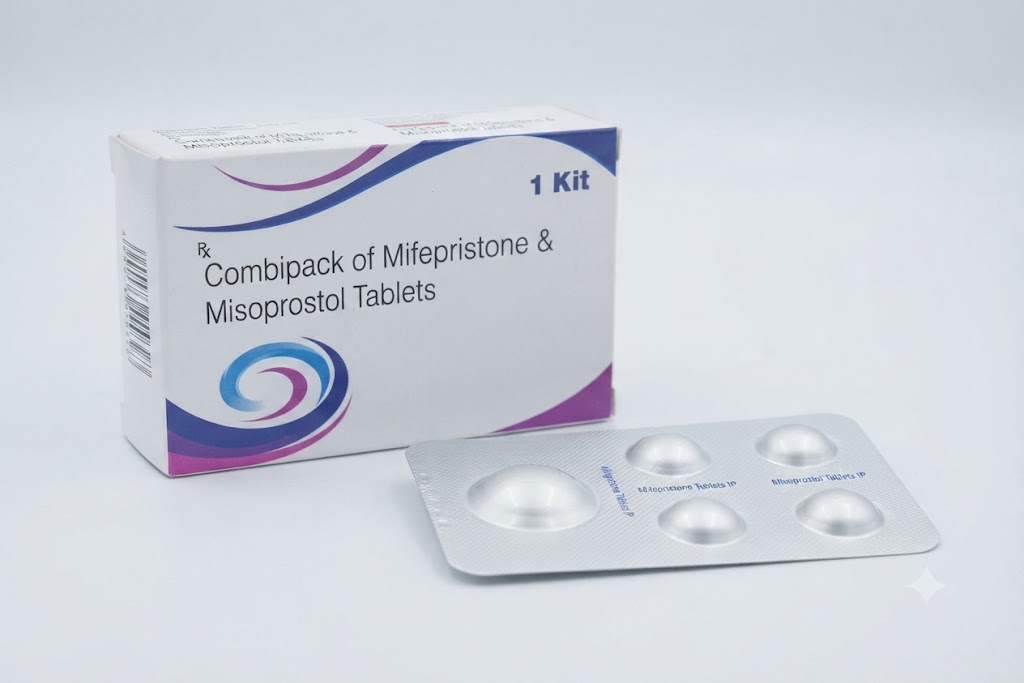
Mifepristone 200 mg Tablets
$300.00
Mifepristone 200 mg tablets are a prescription medication used in reproductive healthcare. Healthcare providers prescribe this antiprogestational agent as part of a regimen to end early pregnancies under clinical supervision.
The tablet works by blocking progesterone, a hormone essential for maintaining pregnancy. This action prepares the uterus to respond to subsequent medical treatment.
Patient safety remains the top priority for medical providers. You must obtain a valid prescription from a certified healthcare provider to receive this medication. Regulatory frameworks require careful medical evaluation before administration to ensure patient safety and effective outcomes.
Introduction to Mifepristone
Navigating healthcare decisions requires clear, accurate, and evidence-based information. Patients often search for information about Mifepristone 200 mg tablets to understand how this medication works and what to expect during treatment.
Understanding your options helps you make informed choices alongside your doctor. Mifepristone plays a crucial role in modern reproductive healthcare. This comprehensive guide provides verified medical details regarding its uses, mechanism of action, potential side effects, and essential safety guidelines.
What Is Mifepristone?
Mifepristone is a synthetic steroid medication. It acts as a selective progesterone receptor antagonist. Healthcare professionals classify it as an antiprogestational agent.
The primary pharmaceutical formulation is a single oral tablet containing 200 milligrams of the active compound. Physicians prescribe Mifepristone 200 mg tablets within structured medical regimens. Because this is a high-potency prescription pharmaceutical, medical oversight ensures that patients receive appropriate screening and follow-up care.
How Mifepristone Works
During a normal pregnancy, the body produces progesterone to support the uterine lining. Progesterone keeps the pregnancy attached and growing safely inside the uterus.
Mifepristone works by binding directly to progesterone receptors in the body. By locking onto these receptors, the drug blocks progesterone from doing its job.
This blocking action causes the lining of the uterus to break down. Consequently, the pregnancy cannot continue to attach to the uterine wall. Mifepristone also softens the cervix and makes the uterus more sensitive to muscle contractions.
Uses of Mifepristone
The regulatory approval of Mifepristone focuses primarily on reproductive health:
-
Medical Termination of Pregnancy: In a clinical regimen paired with misoprostol, doctors prescribe Mifepristone 200 mg tablets to end intrauterine pregnancies up to 70 days (10 weeks) of gestation.
-
Hyperglycemia Management (Cushing’s Syndrome): In distinct daily dosing regimens under different brand formulations, healthcare providers also use mifepristone to manage high blood sugar in patients with endogenous Cushing’s syndrome.
Benefits of Mifepristone
When used under professional medical supervision, Mifepristone offers several clinical benefits:
-
Non-Surgical Option: It provides an effective non-surgical method for early pregnancy termination.
-
High Efficacy: Clinical studies show high success rates when combined with misoprostol according to approved guidelines.
-
Established Safety Profile: Millions of patients have used the drug safely worldwide over decades of clinical practice.
-
Privacy and Comfort: Medical management allows individuals to complete the secondary treatment phase at home when clinically appropriate.
Dosage Information
You must always take Mifepristone exactly as directed by your healthcare provider. Never adjust your dose or skip required follow-up appointments.
-
Standard Dosage: For medical abortion up to 70 days gestation, the approved regimen starts with a single 200 mg tablet taken orally.
-
Administration: Swallow the tablet whole with a glass of water.
-
Regimen Continuity: A secondary medication, misoprostol, is typically administered 24 to 48 hours after taking mifepristone as part of the combined regimen.
Your physician will confirm gestational age using clinical exams or ultrasound before issuing a prescription.
Possible Side Effects
Like all medications, Mifepristone can cause side effects. Most symptoms are expected parts of the medical process, but some require urgent care.
Common Side Effects
-
Cramping and lower abdominal pain
-
Vaginal bleeding or spotting
-
Nausea and vomiting
-
Mild fever or chills
-
Diarrhea or dizziness
-
Headache and temporary fatigue
Serious Side Effects Requiring Immediate Medical Attention
Contact your doctor or visit an emergency room immediately if you experience:
-
Heavy Bleeding: Soaking through two thick sanitary pads per hour for two consecutive hours.
-
Severe Infection Signs: Fever above 100.4°F (38°C) lasting more than 4 hours.
-
Persistent Pain: Severe abdominal pain that pain medication does not relieve.
-
Foul-Smelling Discharge: Severe pelvic pain accompanied by unusual discharge.
Safety Information
Safety screening ensures that Mifepristone 200 mg tablets are safe for your specific health profile.
Contraindications
Do not take Mifepristone if you:
-
Have a confirmed or suspected ectopic pregnancy.
-
Have an intrauterine device (IUD) currently in place (it must be removed first).
-
Suffer from chronic adrenal failure or hemorrhagic disorders.
-
Take long-term corticosteroid therapy or blood thinners.
-
Have a known allergy to mifepristone or misoprostol.
Drug Interaction Considerations
Tell your doctor about all prescription drugs, herbal remedies, and over-the-counter medications you take. Drugs that affect liver enzymes (such as CYP3A4 inhibitors or inducers) can alter mifepristone concentrations in your body. Avoid drinking grapefruit juice during treatment.
Frequently Asked Questions
What are Mifepristone 200 mg tablets used for?
Healthcare providers prescribe Mifepristone 200 mg tablets alongside misoprostol to end an early pregnancy up to 10 weeks (70 days) of gestation.
Is Mifepristone available without a prescription?
No. Mifepristone is a prescription-only drug. You must consult a licensed medical provider and complete required health screenings before obtaining it.
How does Mifepristone work to end a pregnancy?
Mifepristone blocks progesterone, the hormone needed to maintain uterine lining support. This stops the pregnancy from continuing to grow.
What is the difference between Mifepristone and Misoprostol?
Mifepristone blocks the pregnancy hormone. Misoprostol, taken 24 to 48 hours later, causes the uterus to contract and empty.
What should I expect after taking Mifepristone?
Many patients feel few symptoms after taking mifepristone alone. Light spotting or mild cramping may occur before taking the second medication.
How long does bleeding last after treatment?
Vaginal bleeding or spotting typically lasts between 9 to 16 days. Some individuals experience light spotting for up to 30 days.
Will Mifepristone affect my future fertility?
No evidence shows that an uncomplicated medical abortion affects future fertility. You can become pregnant again shortly after the process completes.
What happens if the medication does not work completely?
Your doctor will schedule a follow-up assessment. If the pregnancy continues, surgical evaluation or intervention may be necessary.
Be the first to review “Mifepristone 200 mg Tablets”
Related products
ADHD
ADHD
ADHD
Weight loss
ADHD
Opioid Medications
Reviews
There are no reviews yet.