
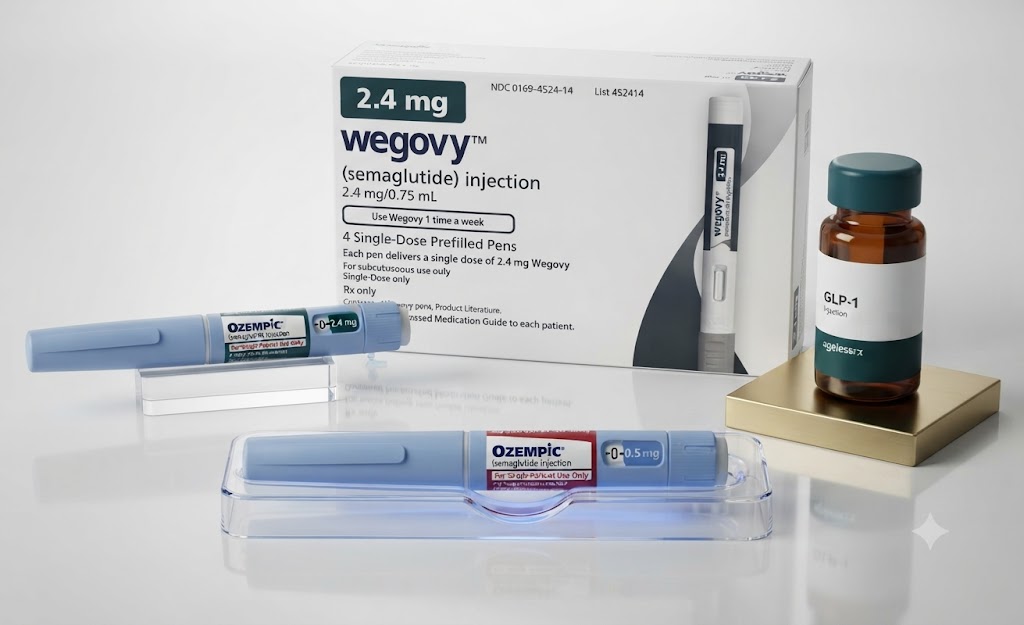

Introduction to Semaglutide Injections
Navigating chronic metabolic health conditions requires clear, evidence-based medical information. As a result, patients and caregivers frequently seek reliable facts about semaglutide to understand how GLP-1 receptor agonist therapy works and how to integrate it safely into a treatment plan. Semaglutide injection is an injectable medication used for weight management in eligible patients and for improving blood sugar control in type 2 diabetes.
Furthermore, understanding your prescription helps you make informed decisions alongside your healthcare provider. Semaglutide plays an important role in modern metabolic medicine by improving blood sugar regulation and supporting weight loss when diet and exercise alone are insufficient. In this guide, you will learn about the medication’s approved uses, biological mechanism, dosage recommendations, benefits, side effects, and important safety precautions.
What Is Semaglutide injection?
Semaglutide is a synthetic peptide that acts as a metabolic regulator by mimicking the body’s natural GLP-1 hormone. Specifically, healthcare professionals classify it as a long-acting GLP-1 receptor agonist.
Manufacturers produce semaglutide as both a subcutaneous injectable medication, available under brand names such as Ozempic and Wegovy, and an oral tablet known as Rybelsus. Because it directly influences several metabolic processes, healthcare providers carefully supervise treatment and gradually adjust the dosage to improve safety and tolerability.
How Semaglutide injection Works
To understand how semaglutide works, it helps to first examine the body’s normal metabolic response. After eating, gut hormones signal the brain and pancreas to regulate blood sugar and appetite. However, these natural pathways may not function efficiently in people with type 2 diabetes or obesity.
Semaglutide activates GLP-1 receptors throughout the body. As a result, it produces several beneficial effects.
Insulin Secretion
First, semaglutide stimulates the pancreas to release insulin when blood glucose levels rise.
Glucagon Suppression
At the same time, it reduces excess glucagon production, helping decrease the amount of glucose released by the liver.
Gastric Emptying
Additionally, semaglutide slows stomach emptying, allowing glucose to enter the bloodstream more gradually after meals.
Appetite Regulation
Finally, it acts on appetite centers in the brain, increasing feelings of fullness while reducing hunger and food cravings.
Uses of Semaglutide Injection
Healthcare providers prescribe semaglutide for several approved medical conditions.
Type 2 Diabetes Mellitus
Primarily, semaglutide helps improve blood sugar control in adults with type 2 diabetes when combined with healthy eating and regular physical activity.
Cardiovascular Risk Reduction
In addition, certain semaglutide products help reduce the risk of major cardiovascular events, including heart attack and stroke, in eligible adults with cardiovascular disease and type 2 diabetes or obesity.
Chronic Weight Management
Moreover, healthcare providers prescribe semaglutide as part of a reduced-calorie diet and increased physical activity program for eligible adults and adolescents with obesity or overweight and qualifying medical conditions.
However, semaglutide injection is not approved to treat type 1 diabetes or diabetic ketoacidosis.
Benefits of Semaglutide
When used under medical supervision, semaglutide offers several important clinical benefits.
- First, it helps maintain lower HbA1c levels over time.
- Additionally, it promotes gradual and sustainable weight loss by reducing appetite and calorie intake.
- Furthermore, it lowers the risk of certain cardiovascular events in eligible patients.
- Finally, injectable formulations require only one dose each week, making treatment more convenient for many people.
Dosage Information
Always administer semaglutide exactly as your healthcare provider prescribes. Most importantly, never change your dosage without professional medical advice.
Dose Titration
Typically, treatment begins with 0.25 mg once weekly. After that, your healthcare provider gradually increases the dose every four weeks to reduce gastrointestinal side effects.
Subcutaneous Injection
Inject Semaglutide injection once weekly into the abdomen, thigh, or upper arm. For best results, use the medication on the same day each week, with or without food.
Missed Dose of Semaglutide Injection
If you miss a dose, take it within five days whenever possible. Otherwise, skip the missed dose and continue with your regular weekly schedule.
Possible Side Effects of Semaglutide Injection
Like many prescription medications, semaglutide may cause both common and serious side effects.
Common Side Effects
The most common side effects include:
- Nausea
- Vomiting
- Abdominal pain
- Diarrhea
- Constipation
- Heartburn
- Acid reflux
- Fatigue
- Headache
- Mild injection-site reactions
Serious Side Effects
Although uncommon, some side effects require immediate medical attention.
Seek emergency care if you experience:
- Severe abdominal pain that may indicate pancreatitis.
- Symptoms of gallbladder disease, including jaundice or persistent upper abdominal pain.
- Signs of severe hypoglycemia, especially if you also use insulin or sulfonylureas.
- Reduced urine output or swelling that could suggest kidney injury.
- Swelling of the face, lips, tongue, or throat, or difficulty breathing, which may indicate a serious allergic reaction.
Safety Information: Semaglutide injection
Before starting semaglutide, your healthcare provider should carefully review your medical history.
Boxed Warning and Contraindications
Do not use semaglutide if you have:
- A personal or family history of medullary thyroid carcinoma (MTC).
- Multiple Endocrine Neoplasia syndrome type 2 (MEN 2).
- A known allergy to semaglutide or any of its ingredients.
Drug Interactions
Because semaglutide slows stomach emptying, it may affect how quickly your body absorbs some oral medications. Therefore, tell your healthcare provider about every prescription medicine, over-the-counter product, vitamin, and supplement you take before beginning treatment.
Be the first to review “Semaglutide injection”
Related products


ADHD
ADHD

Opioid Medications

Weight loss



ADHD
Reviews
There are no reviews yet.