
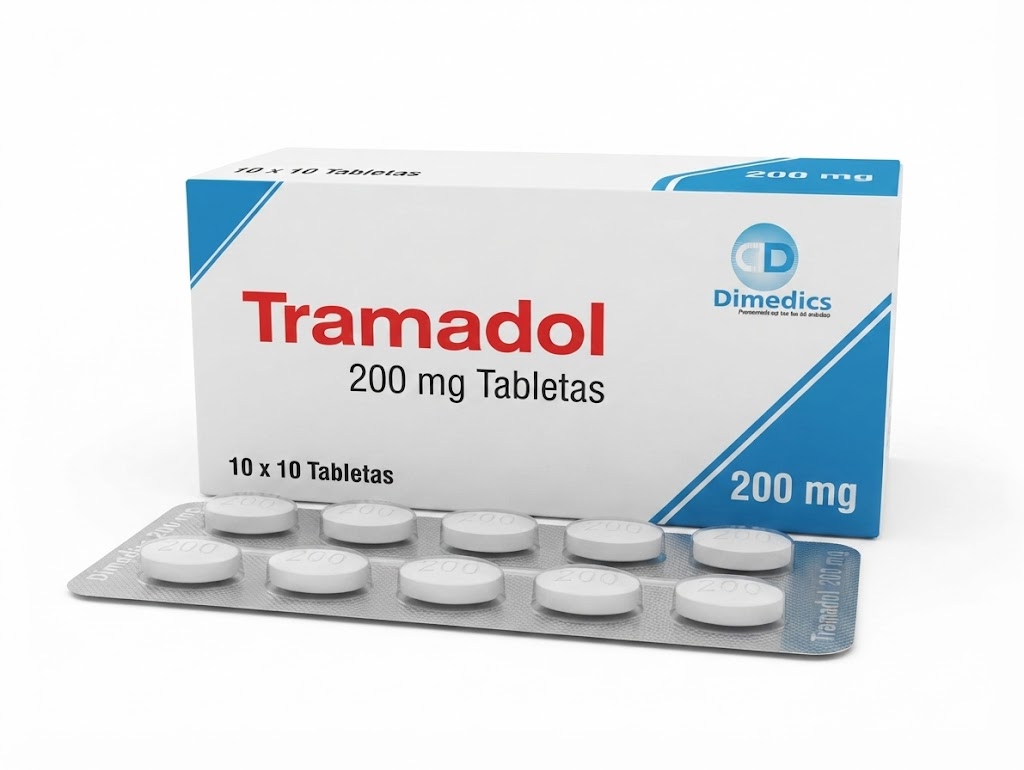

What Is Tramadol?
Tramadol hydrochloride is a centrally acting opioid analgesic, originally approved by the FDA in 1995 and sold under the brand name Ultram, among others. Because it binds opioid receptors more weakly than morphine or oxycodone while also affecting serotonin and norepinephrine levels, it’s sometimes described as working through a combined mechanism rather than a purely opioid one.
Active Ingredient
The active ingredient is tramadol hydrochloride. One of its metabolites, O-desmethyltramadol, is significantly more potent at opioid receptors than tramadol itself, which is part of why individual genetic differences in metabolism can meaningfully change how a person responds to the drug.
Brand Name and Generic Name
Tramadol is available generically and was originally marketed under brand names including Ultram (immediate-release) and Ultram ER (extended-release), among others. Generic tramadol is now the most commonly dispensed form.
Drug Classification
Tramadol is classified as an opioid agonist. Since July 2014, the DEA has classified it as a Schedule IV controlled substance nationwide, reflecting a lower but real potential for abuse and dependence compared with Schedule II opioids like oxycodone or hydrocodone.
FDA-Approved Uses
Tramadol is approved for:
- The management of pain severe enough to require an opioid analgesic, in patients for whom alternative treatments are inadequate.
Immediate-release tramadol is intended for pain episodes expected to last less than a week, rather than continuous around-the-clock use, while extended-release tramadol is intended for pain requiring continuous, around-the-clock treatment for an extended period.
How It Works
Tramadol’s parent compound acts as a weak opioid agonist, while its active metabolite is considerably more potent at opioid receptors. At the same time, tramadol inhibits the reuptake of serotonin and norepinephrine, which contributes to pain relief through a separate pathway. This dual mechanism is why tramadol’s side effect and interaction profile blends features of both opioid medications and certain antidepressants.
Product Information Table
| Attribute | Detail |
|---|---|
| Generic Name | Tramadol hydrochloride |
| Common Brand Names | Ultram, Ultram ER (among others; largely generic today) |
| Drug Class | Opioid agonist with serotonin-norepinephrine reuptake inhibition |
| Controlled Substance Schedule | Schedule IV (CIV) |
| Dosage Forms | Immediate-release tablet, extended-release tablet, extended-release capsule, oral solution |
| Typical Strengths | 50 mg (immediate-release); 100 mg, 150 mg, 200 mg, 300 mg (extended-release) |
| Administration Route | Oral |
| Half-Life | Approximately 6 hours (tramadol); approximately 7.5 hours (active metabolite) |
| Maximum Daily Dose | 400 mg for immediate-release in adults; 300 mg for extended-release |
Dosage Guide
Because tramadol dosing depends heavily on the type and severity of pain, a prescriber determines the exact regimen individually, starting low and titrating slowly.
Immediate-Release Tramadol
For adults not requiring rapid pain control, treatment typically starts at 25 mg once daily, increasing in 25 mg increments every 3 days up to 100 mg per day (25 mg four times daily), then in 50 mg increments as tolerated. Once titrated, doses of 50 mg to 100 mg can be taken every 4 to 6 hours as needed, not to exceed 400 mg per day.
Extended-Release Tramadol
Extended-release tramadol is taken once daily and is intended for patients who need continuous pain control rather than as-needed dosing. The maximum daily dose is 300 mg, and extended-release tablets or capsules must be swallowed whole — never crushed, chewed, or dissolved, since doing so releases the full dose at once and can expose a person to a potentially fatal amount of tramadol.
Not for Children
Tramadol is contraindicated in children younger than 12, and it should be avoided in adolescents 12 to 18 who have risk factors for respiratory problems, such as obesity, sleep apnea, or existing lung disease. It’s also contraindicated in anyone under 18 following tonsillectomy or adenoidectomy.
Kidney and Liver Function
Because tramadol clearance depends on both the kidneys and the liver, significant impairment in either organ generally requires a longer dosing interval and a lower total daily dose, which a prescriber determines individually.
How to Take It
Swallow Extended-Release Forms Whole
Extended-release tramadol tablets and capsules must never be crushed, chewed, split, or dissolved. Doing so destroys the extended-release mechanism and can deliver a rapid, potentially fatal dose all at once.
Missed Dose
If a dose of immediate-release tramadol is missed, it’s generally taken when remembered unless it’s close to the next scheduled dose, in which case it’s skipped. For extended-release tramadol, missed doses are typically skipped and the next dose taken at its regular time, without doubling up.
Discontinuing Treatment
Tramadol should not be stopped abruptly after regular use, since doing so can trigger opioid withdrawal symptoms as well as unusual symptoms sometimes seen when stopping antidepressant-like medications, including anxiety, sweating, and unusual sensory disturbances. A prescriber typically tapers the dose gradually.
Naloxone and Overdose Recognition
Because tramadol is an opioid, an overdose can cause life-threatening respiratory depression — dangerously slow or shallow breathing. Naloxone (Narcan and other brands) can reverse this effect and is available without a prescription at most pharmacies in the U.S. Anyone taking tramadol regularly, along with the people they live with, benefits from having naloxone on hand and knowing how to use it. Signs of an opioid overdose include slow or stopped breathing, extreme drowsiness or unresponsiveness, pinpoint pupils, and blue-tinged lips or fingertips. Because tramadol overdose can also cause seizures, anyone who witnesses these signs should call 911 immediately, give naloxone if available, and stay with the person until help arrives, since naloxone’s effects can wear off before the opioid fully clears the body.
Storage and Disposal
Tramadol should be stored in a secure, ideally locked, location, out of reach of children and anyone other than the person it’s prescribed for, since even a single tablet can be fatal to a child. For disposal, a DEA-authorized take-back program is preferred; alternatively, mixing unused tablets with an undesirable substance like coffee grounds before sealing and discarding them in household trash is an accepted method.
Side Effects
Common Side Effects
- Nausea
- Dizziness
- Constipation
- Headache
- Drowsiness
- Vomiting
- Dry mouth
- Sweating
Serious Side Effects
- Life-threatening or fatal respiratory depression, especially when starting treatment or after a dose increase
- Seizures, which can occur even within the recommended dosage range
- Serotonin syndrome, particularly when combined with other serotonergic medications
- Severe, sometimes fatal allergic reactions, often after the very first dose
- Adrenal insufficiency with longer-term use
- Severe low blood pressure
Emergency Symptoms
Anyone experiencing the following should seek emergency care immediately:
- Slow, shallow, or stopped breathing
- A seizure
- Signs of serotonin syndrome, such as agitation, high fever, rapid heartbeat, or muscle twitching
- Signs of a severe allergic reaction, including facial or throat swelling, hives, or difficulty breathing
Drug Interactions
Prescription Drugs
Combining tramadol with monoamine oxidase inhibitors (MAOIs) is contraindicated. Serotonergic medications, including SSRIs, SNRIs, tricyclic antidepressants, and triptans, raise the risk of serotonin syndrome when combined with tramadol. CYP2D6 and CYP3A4 inhibitors can also change how much active drug is available, potentially increasing side effects or reducing pain relief.
Benzodiazepines and Other CNS Depressants
Combining tramadol with benzodiazepines, other opioids, alcohol, or any other central nervous system depressant significantly raises the risk of profound sedation, respiratory depression, coma, and death. The FDA specifically recommends reserving this combination for situations where alternative treatments aren’t adequate, using the lowest effective doses, and limiting the duration of concurrent use.
Alcohol
Alcohol substantially increases tramadol’s sedative and respiratory-depressant effects and should be avoided during treatment.
Warnings
Tramadol carries an FDA boxed warning covering several serious risks at once: addiction, abuse, and misuse that can lead to overdose and death; life-threatening respiratory depression, especially during initiation or after a dose increase; the danger of accidental ingestion, particularly by children, which can be fatal even from a single dose; the risks of combining tramadol with benzodiazepines or other CNS depressants; and, for extended-release forms, neonatal opioid withdrawal syndrome with prolonged use during pregnancy.
Beyond the boxed warning, tramadol carries specific warnings for seizures (which can occur within the normal dosage range, and are more likely at higher doses or with certain interacting medications), serotonin syndrome, severe hypotension, and adrenal insufficiency with extended use.
Contraindications
Tramadol should not be used by patients who:
- Have significant respiratory depression or acute, severe asthma without monitoring equipment available
- Have or are suspected of having a gastrointestinal obstruction, including paralytic ileus
- Are taking, or have taken within the past 14 days, a monoamine oxidase inhibitor (MAOI)
- Are children younger than 12, or are younger than 18 following tonsillectomy or adenoidectomy
Pregnancy
Prolonged use of tramadol during pregnancy can cause neonatal opioid withdrawal syndrome, a potentially life-threatening condition in newborns that requires treatment according to protocols developed by neonatology experts. Tramadol should only be used during pregnancy if the potential benefit justifies the potential risk to the fetus.
Breastfeeding
The FDA has specifically recommended against tramadol use in breastfeeding women, given reports of serious adverse events, including excess sedation and respiratory depression, in nursing infants.
Monitoring Requirements
Prescribers typically monitor:
- Signs of misuse, dependence, or diversion throughout treatment
- Respiratory status, especially when starting treatment or increasing the dose
- Signs of serotonin syndrome in patients on other serotonergic medications
- Mood, mental status, and any history of seizures or conditions that lower seizure threshold
Frequently Asked Questions
Is tramadol a strong opioid?
Tramadol is generally considered less potent than opioids like oxycodone or morphine at the receptor level, but its active metabolite is significantly stronger, and individual genetics affect how much of that metabolite a person produces. It still carries real risks of addiction, respiratory depression, and overdose, so “weaker” doesn’t mean low-risk.
What makes tramadol different from other opioids?
Tramadol works through two mechanisms at once: weak opioid receptor activity and inhibition of serotonin and norepinephrine reuptake. This second mechanism is why tramadol carries a seizure risk and a serotonin syndrome risk that aren’t typical concerns with purer opioids like oxycodone.
Can tramadol cause seizures?
Yes, and this can happen even within the recommended dosage range, not just with overdose. The risk increases at higher doses or when tramadol is combined with certain other medications, including some antidepressants and other drugs that lower the seizure threshold.
Is tramadol addictive?
Yes. Tramadol carries an FDA boxed warning for addiction, abuse, and misuse, and it’s classified as a Schedule IV controlled substance. Even when taken as prescribed, physical dependence can develop with regular use.
Can I take tramadol with an antidepressant?
This requires caution and close medical supervision. Combining tramadol with SSRIs, SNRIs, or other serotonergic antidepressants raises the risk of serotonin syndrome, a potentially life-threatening reaction, so a prescriber needs to know about all antidepressant use before starting tramadol.
What are the signs of a tramadol overdose?
Signs include slow or stopped breathing, extreme drowsiness or unresponsiveness, pinpoint pupils, bluish lips or fingertips, and possibly seizures. This is a medical emergency — call 911 and give naloxone if it’s available.
Can children take tramadol?
No. Tramadol is contraindicated in children younger than 12, and it should be avoided in adolescents 12 to 18 who have risk factors like obesity or sleep apnea. It’s also specifically contraindicated in anyone under 18 recovering from tonsillectomy or adenoidectomy.
How long does tramadol stay in your system?
Tramadol’s half-life is roughly 6 hours, with its active metabolite lasting somewhat longer at around 7.5 hours. Full elimination generally takes about 1 to 2 days after the last dose in someone with normal kidney and liver function.
Can I drink alcohol while taking tramadol?
No, this combination should be avoided. Alcohol significantly increases tramadol’s sedative and respiratory-depressant effects, raising the risk of dangerous slowed breathing.
What should I do if I think someone has taken too much tramadol?
Call 911 immediately. If naloxone is available, give it right away, since it can reverse opioid-related respiratory depression, though its effects may wear off before tramadol fully clears the body, so continued monitoring and emergency care are still necessary.
Conclusion
Tramadol’s dual mechanism — part opioid, part serotonin-norepinephrine reuptake inhibitor — makes it genuinely different from other medications in the opioid class, but different doesn’t mean safer across the board. Its seizure risk, serotonin syndrome potential, and Schedule IV abuse liability sit alongside the same overdose and respiratory depression risks shared by all opioids, which is why naloxone availability and careful monitoring matter just as much here as anywhere else in this class.
| Tablets | 90, 100, 150, 200 |
|---|
Be the first to review “Tramadol”
Related products
Opioid Medications
Pain Relief
Pain Relief
Opioid Medications
Opioid Medications
Opioid Medications
Reviews
There are no reviews yet.