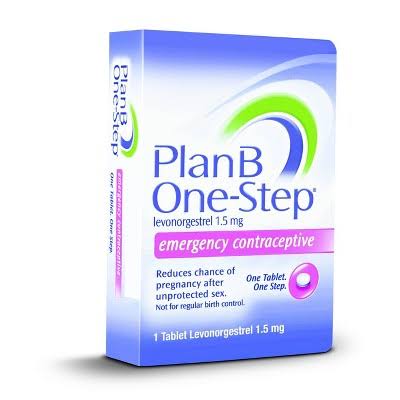
Plan B One-Step (Levonorgestrel 1.5 mg) Emergency Contraceptive
$49.99
As the most recognized name in emergency contraception, Plan B One-Step has helped millions of people take fast action after unprotected sex, and its familiarity across pharmacies nationwide makes it an easy, reliable option to reach for. Each Plan B One-Step tablet delivers 1.5 mg of levonorgestrel, the FDA-approved standard for emergency contraception, and it’s available over the counter with no prescription or age restriction required.
500 in stock
Introduction to Plan B One-Step
Unplanned moments call for a plan that actually works, and Plan B One-Step exists precisely for that situation. As the most recognized name in emergency contraception, Plan B One-Step has helped millions of people take fast action after unprotected sex, and its familiarity across pharmacies nationwide makes it an easy, reliable option to reach for. Because timing plays such a central role in how well emergency contraception performs, understanding exactly what Plan B One-Step does — and doesn’t do — helps you use it with confidence rather than uncertainty.
What Is Plan B One-Step?
Plan B One-Step is an over-the-counter emergency contraceptive tablet containing 1.5 mg of levonorgestrel, a synthetic hormone that has been used safely in birth control for decades. Unlike a daily birth control pill, Plan B One-Step isn’t part of an ongoing routine. Instead, it’s a single-dose backup option, taken only after unprotected sex, a condom failure, or a missed regular contraceptive dose.
How Plan B One-Step Works
Levonorgestrel primarily delays or prevents ovulation, meaning the ovary doesn’t release an egg for sperm to fertilize. Since pregnancy can’t begin without an egg present, stopping or postponing that release is often enough to prevent conception entirely. Because this process depends on where you are in your monthly cycle, Plan B One-Step works best the sooner it’s taken after unprotected sex, and its effectiveness gradually declines with each passing hour.
Who Should Use Plan B One-Step?
Because Plan B One-Step is the benchmark product most people already recognize, it’s a natural first choice for anyone new to emergency contraception who wants a trusted, widely studied option. Most people capable of becoming pregnant can use Plan B One-Step, regardless of age, and no ID or prescription is required to purchase it. That said, Plan B One-Step isn’t meant to replace regular birth control, and it won’t interrupt a pregnancy that has already occurred, so a different approach applies if pregnancy is already established.
Benefits
Since Plan B One-Step is stocked in nearly every pharmacy, grocery store, and convenience store across the country, you’re rarely more than a few minutes from finding one when you need it most. Additionally, because Plan B One-Step contains the same FDA-approved levonorgestrel dose used across the emergency contraception category, choosing it means getting a proven, well-studied option rather than an unfamiliar alternative. Since no appointment or waiting period stands between you and the tablet, Plan B One-Step respects the urgency that emergency contraception situations naturally involve.
Uses
Plan B One-Step is intended for one specific purpose: reducing the chance of pregnancy after unprotected intercourse, a broken or slipped condom, or a missed dose of regular hormonal birth control. It is not designed for routine, repeated use as a primary contraception method, and it offers no protection against HIV or other sexually transmitted infections.
How to Take Plan B One-Step
Take one Plan B One-Step tablet by mouth as soon as possible after unprotected sex. While the label specifies a 72-hour window, taking it sooner meaningfully improves how well it works, so waiting isn’t recommended even within that window. You can take Plan B One-Step with or without food. If vomiting occurs within 2 hours of taking the tablet, contact a pharmacist promptly, since the dose may not have been fully absorbed and a repeat dose might be necessary.
Storage
Store Plan B One-Step at room temperature, away from excessive heat, direct sunlight, and moisture. Keep it in its original packaging until you’re ready to use it, and store it out of reach of children.
Possible Side Effects
Most people tolerate Plan B One-Step without serious issues, though some experience nausea, lower abdominal pain or cramping, fatigue, headache, or dizziness. Breast tenderness is also common. Furthermore, many people notice changes to their next menstrual period, including earlier or later timing, or a heavier or lighter flow than usual — this is a normal, temporary response rather than a cause for concern on its own.
Warnings
Plan B One-Step won’t be effective if you’re already pregnant, so it shouldn’t be taken if pregnancy is known or suspected, though accidental use during an existing pregnancy hasn’t been shown to cause harm to the fetus. Certain medications — including some anti-seizure drugs, the HIV medication efavirenz, and the antibiotic rifampin — can reduce how well Plan B One-Step works, so mention any regular medications to a pharmacist before use. If you experience severe lower abdominal pain several weeks after taking Plan B One-Step, seek medical attention promptly, since this can be a sign of an ectopic pregnancy rather than a typical one.
Frequently Asked Questions
How soon after unprotected sex should I take Plan B One-Step?
As soon as possible. Because effectiveness declines with time, taking Plan B One-Step within hours works better than waiting until closer to the 72-hour limit.
Will Plan B One-Step disrupt my regular menstrual cycle?
It might, temporarily. Your next period could arrive earlier, later, or with a different flow than usual, which typically resolves on its own by the following cycle.
Is Plan B One-Step the same as the abortion pill?
No. Plan B One-Step prevents pregnancy from starting in the first place, while the abortion pill ends a pregnancy that has already begun. The two work at entirely different points and are never interchangeable.
Can I use Plan B One-Step as my regular birth control method?
No. Plan B One-Step is designed for occasional, emergency use rather than ongoing contraception, and daily or long-acting methods offer more reliable, consistent protection over time.
Does Plan B One-Step protect against sexually transmitted infections?
No. Plan B One-Step addresses pregnancy prevention only, so condoms remain the appropriate protection against STIs.
Medical Disclaimer
This content is provided for general educational purposes and does not guarantee a specific outcome for every individual or situation. Plan B One-Step does not replace professional medical advice, and anyone with questions about their personal health history, current medications, or appropriate contraceptive choices should consult a licensed pharmacist or healthcare provider before use.
| Weight | 0.05 lbs |
|---|---|
| Dimensions | 3 × 2 × 1 in |
Be the first to review “Plan B One-Step (Levonorgestrel 1.5 mg) Emergency Contraceptive”
Related products
Arthritis Care
Reviews
There are no reviews yet.